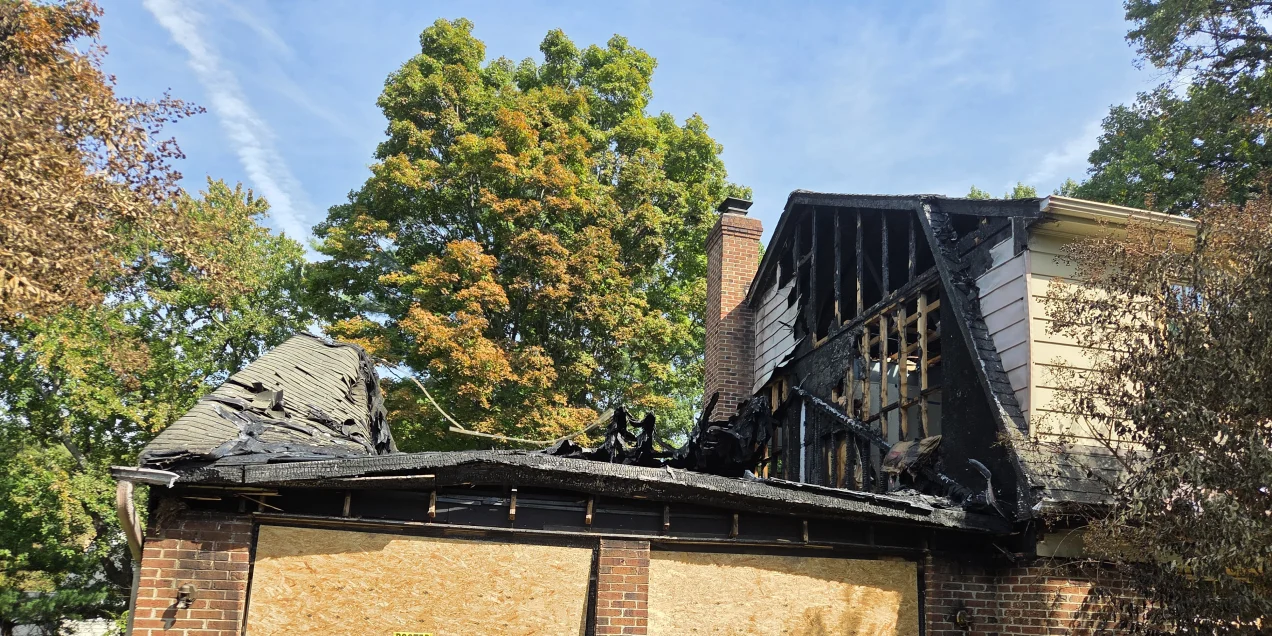
These photos aren't from one of our projects or customers.
They're from a neighboring home, and thankfully, everyone got out safely.
Last week, the family heard what they described as a loud pop or explosion coming from the garage. It was loud enough that they initially thought someone upstairs had dropped something.
Nothing immediately seemed wrong, so life continued for another few minutes.
Then their daughter came downstairs because she was hungry.
Mom asked whether she had dropped something. She hadn't.
That small conversation prompted someone to finally look into the garage.
There was smoke.
Within minutes, the situation had become a major house fire.
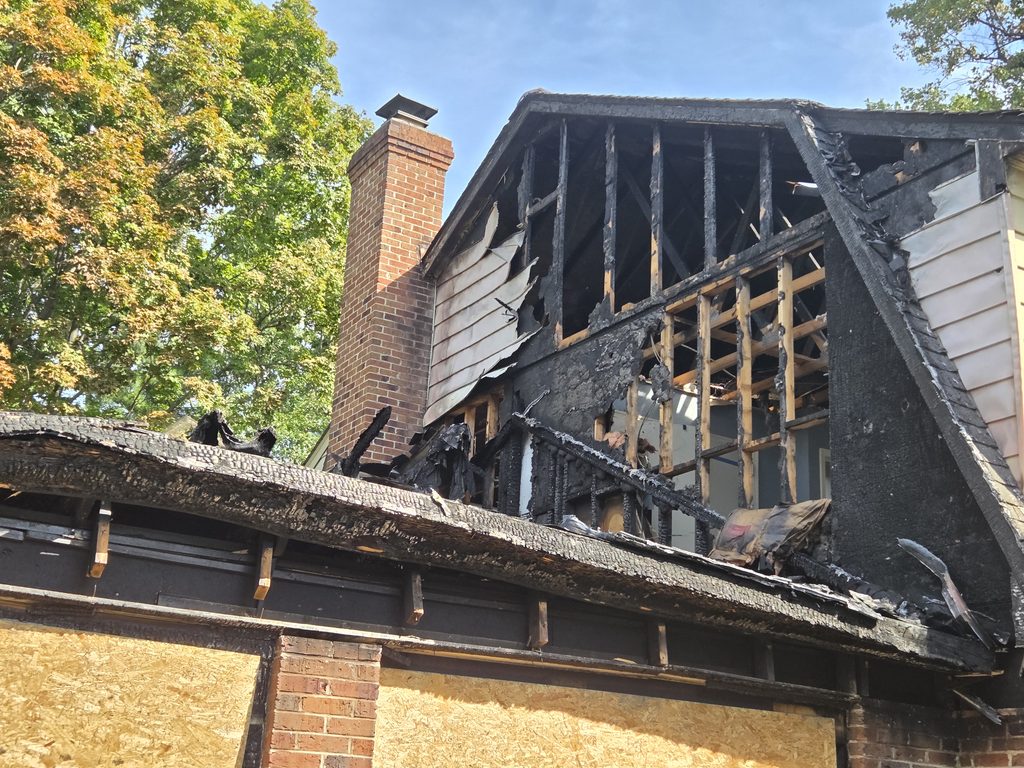
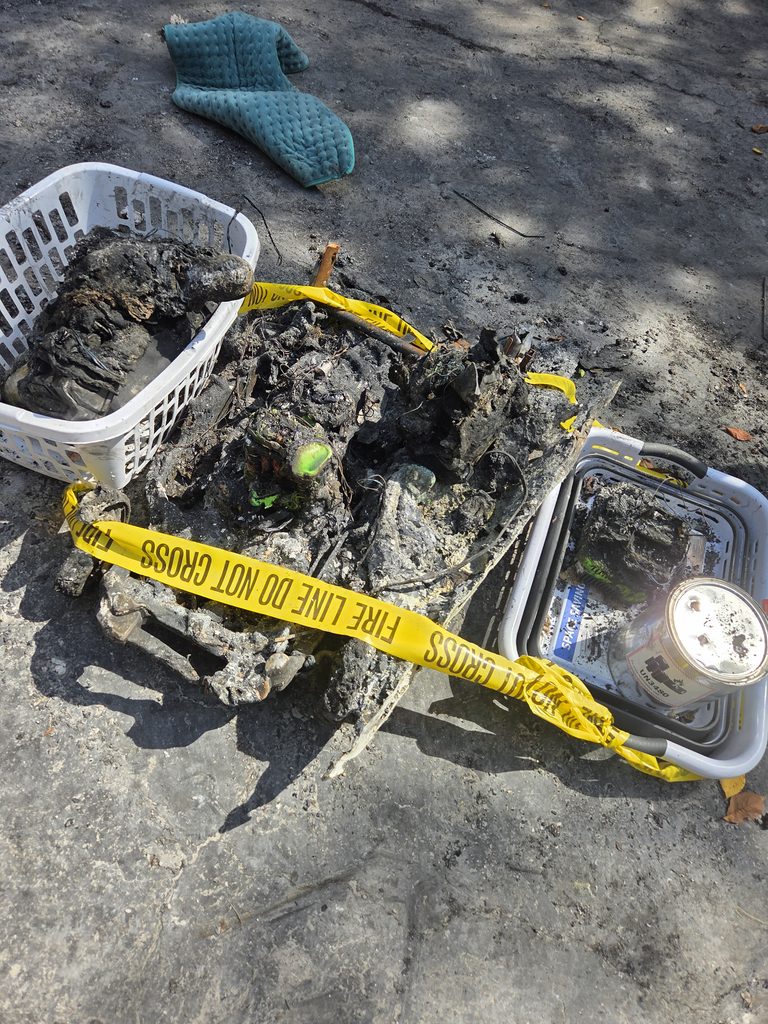
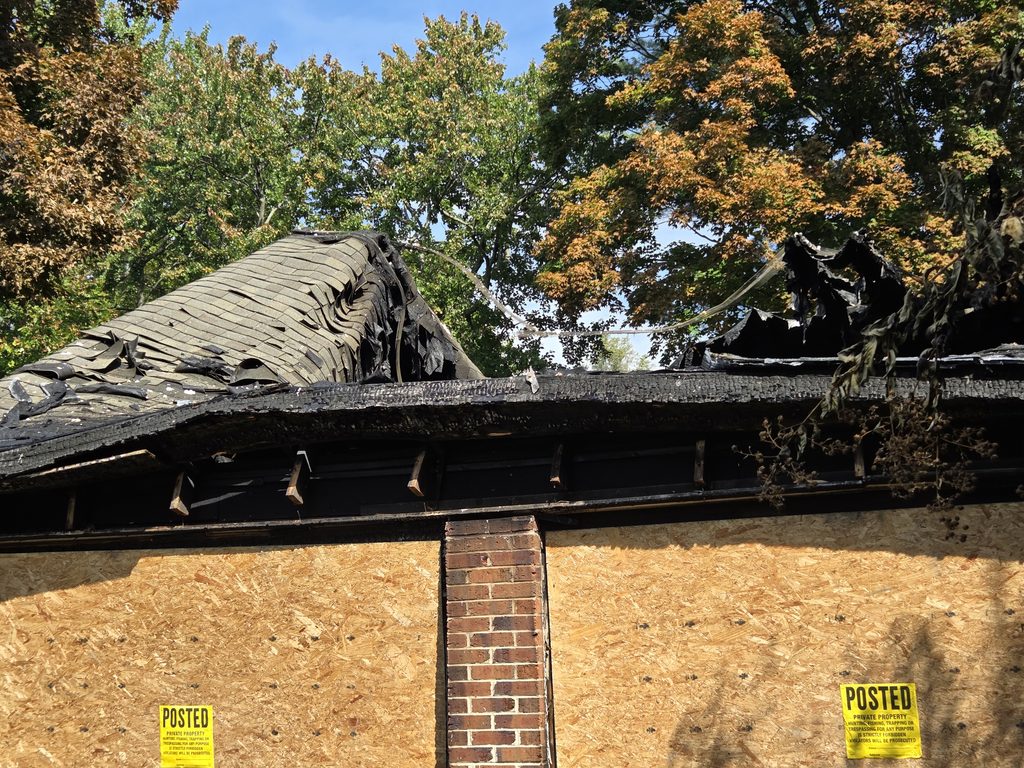
The aftermath is what you see here.
According to the homeowner, investigators identified one of the rechargeable batteries associated with their plug-in lawn equipment as the apparent origin of the fire. The damaged battery equipment was subsequently separated and marked at the scene.
While the battery was identified as the apparent origin, the specific reason for its failure has not been established in the information available to us.
The family survived.
Their home will likely take many months to rebuild.
And that makes this worth talking about.
Batteries Deserve Respect
Lithium-ion batteries have transformed everything from cordless tools to lawn equipment, bicycles, phones, home batteries, and automobiles.
Millions operate safely every day.
But they store a remarkable amount of energy in a very small space.
A defective, damaged, counterfeit, incompatible, or improperly charged battery can fail catastrophically.
According to the U.S. Consumer Product Safety Commission (CPSC), batteries, chargers, and the equipment they power should be evaluated as a complete system. Using incompatible or improperly designed components can introduce serious safety risks.
UL Research Institutes also identifies manufacturing defects, physical damage, incompatible chargers, and improper charging conditions as potential causes of thermal runaway, a dangerous process in which a battery rapidly overheats and can release smoke, gases, or flames.
These are known battery safety risks, not confirmed explanations for what caused this particular fire.
A few habits are worth adopting:
- Use the charger specified by the equipment manufacturer. Batteries and chargers are designed to work together, and compatibility matters.
- Be especially cautious with inexpensive replacement batteries and chargers of uncertain origin or certification.
- Don't charge damaged, swollen, unusually hot, or previously dropped batteries.
- Avoid charging batteries where a failure could immediately ignite surrounding combustible material.
- Don't routinely leave charging equipment operating unattended for long periods or while everyone is asleep.
- Once charging is complete, follow the manufacturer's instructions rather than simply leaving equipment connected indefinitely.
- If a battery or charger suddenly becomes unusually hot, smells strange, changes shape, makes popping or hissing sounds, or begins smoking, get away and call 911.
A battery fire can develop extraordinarily quickly.
For additional guidance, homeowners can review safety information published by the U.S. Consumer Product Safety Commission and UL Research Institutes.
But There Is a Second Lesson Here
Electrification changes the electrical demands inside our homes.
The fire described above appears to have originated with a rechargeable battery. There is no information indicating that the home's electrical panel, wiring, or circuits contributed to the incident.
But the story illustrates a broader point worth considering as more of the equipment we use every day becomes electric.
Electrical equipment, charging practices, circuits, and the infrastructure supporting them all deserve attention.
We're an electrification company. We install heat pumps, heat-pump water heaters, solar, batteries, and other equipment specifically because moving buildings away from combustion can improve efficiency, comfort, and, when properly designed, safety.
But electrification isn't simply a matter of plugging more things into an old house.
Today's homes can have:
- Heat pumps.
- Induction ranges.
- EV chargers.
- Heat-pump water heaters.
- Battery chargers.
- Space heaters.
- Solar and energy storage.
- Workshop equipment.
Some older houses were never designed around those loads.
And even an ordinary 120-volt appliance can become dangerous when a receptacle is worn, a connection is loose, wiring is undersized or damaged, an extension cord is inappropriate, or a high-load appliance operates continuously through equipment that was never intended for it.
That tiny bit of electrical resistance at a poor connection becomes heat.
Heat becomes more heat.
And sometimes the first warning is smoke.
These are separate electrical safety concerns from the battery failure described earlier, but they are equally important considerations for homeowners.
Electrify, but Do It Correctly
When we evaluate a home for electrification, the equipment itself is only part of the picture.
The electrical system matters too:
- Is the service large enough?
- Is the panel in good condition?
- Are breakers and conductors properly sized?
- Does equipment need a dedicated circuit?
- Are older receptacles or wiring showing deterioration?
- Are major loads being added intelligently rather than simply stacked onto an aging system?
Those aren't glamorous questions.
They can be extraordinarily important ones.
We also routinely discover other issues while upgrading homes, including aging fuel-oil equipment, deteriorated wiring, moisture problems, ventilation problems, and equipment that has simply reached the end of its useful life.
That's one reason we believe whole-home energy work should actually mean looking at the whole home.
Take Ten Minutes This Weekend
Walk through your house and garage.
Look at the things that stay plugged in.
Look at your tool batteries.
Look at extension cords and power strips.
Check for signs that plugs or outlets serving substantial loads may be overheating. If something appears damaged or unusually hot, stop using it and have it evaluated by a qualified professional.
Look for discoloration, cracked receptacles, damaged cables, swollen batteries, or chargers that seem excessively hot.
And think about which equipment is routinely operating while nobody is nearby.
You don't need to become afraid of electricity.
You just need to respect it.
Thinking About Electrifying Your Home?
EDGE can help evaluate the larger picture: electrical upgrades, heat pumps, heat-pump water heaters, solar, batteries, weatherization, and other improvements, rather than treating each piece of equipment as though it exists by itself.
There are also utility, state, and other incentive programs that may help qualifying homeowners offset portions of energy and electrification upgrades.
Have an older home, questionable panel, aging HVAC system, or a friend who's considering electrification? Send them our way.
Sometimes the most valuable part of an energy upgrade is discovering the problem you didn't know was there.

Garrett Spangler writes about home energy, electrification, and the renewable industry for The EDGE Journal.
Questions about this article?
Fill out the form and our team will get back to you shortly.